A clear path from idea to operating business

The Business Development Program, Step by Step

See exactly how PAV comes alongside you, from the first application and free assessment through the first 90-day plan, launch, growth, and an evolving long-term partnership.

From first application to long-term growth

Know where you are and what comes next.

The Business Development Program is a guided working relationship, not a form you submit and navigate alone. Follow the complete path below to see what you do, what PAV does, and how each decision leads to the next step.

Phase 01

Apply and enter the PAV pipeline

Begin with the public application and give PAV enough context to understand who you are, where the business stands, and what kind of help you are seeking.

Whiteboard illustration of an entrepreneur submitting an application that enters an organized business pipeline
  1. Your move

    Click Apply

    Start with the short public application. You do not need a finished business plan, polished pitch, or perfect answers before reaching out.

    What happens next: The form asks for the basic information PAV needs to understand your starting point.

    Start the Initial Application
  2. Your move

    Complete the brief introduction

    Share your contact information, business stage, idea or current operation, primary need, preferred pathway, and general availability.

    What happens next: Submitting the form creates your prospect record and begins the review process. There is no application fee.

  3. PAV system

    Enter the PAV CRM and sales pipeline

    Your submission is organized in the PAV CRM so communications, status, follow-up, and the next appropriate action can be tracked in one place.

    What happens next: PAV can now review your information without asking you to repeat the same introduction across disconnected emails.

  4. PAV review

    Receive a preliminary fit review

    PAV considers your stage, goals, urgency, potential fit, available capacity, and whether our involvement is likely to create meaningful value.

    What happens next: You receive a free Business Readiness Assessment based on the initial application stage, whether or not PAV offers an engagement, along with the appropriate next direction.

Phase 02

Follow the right application path

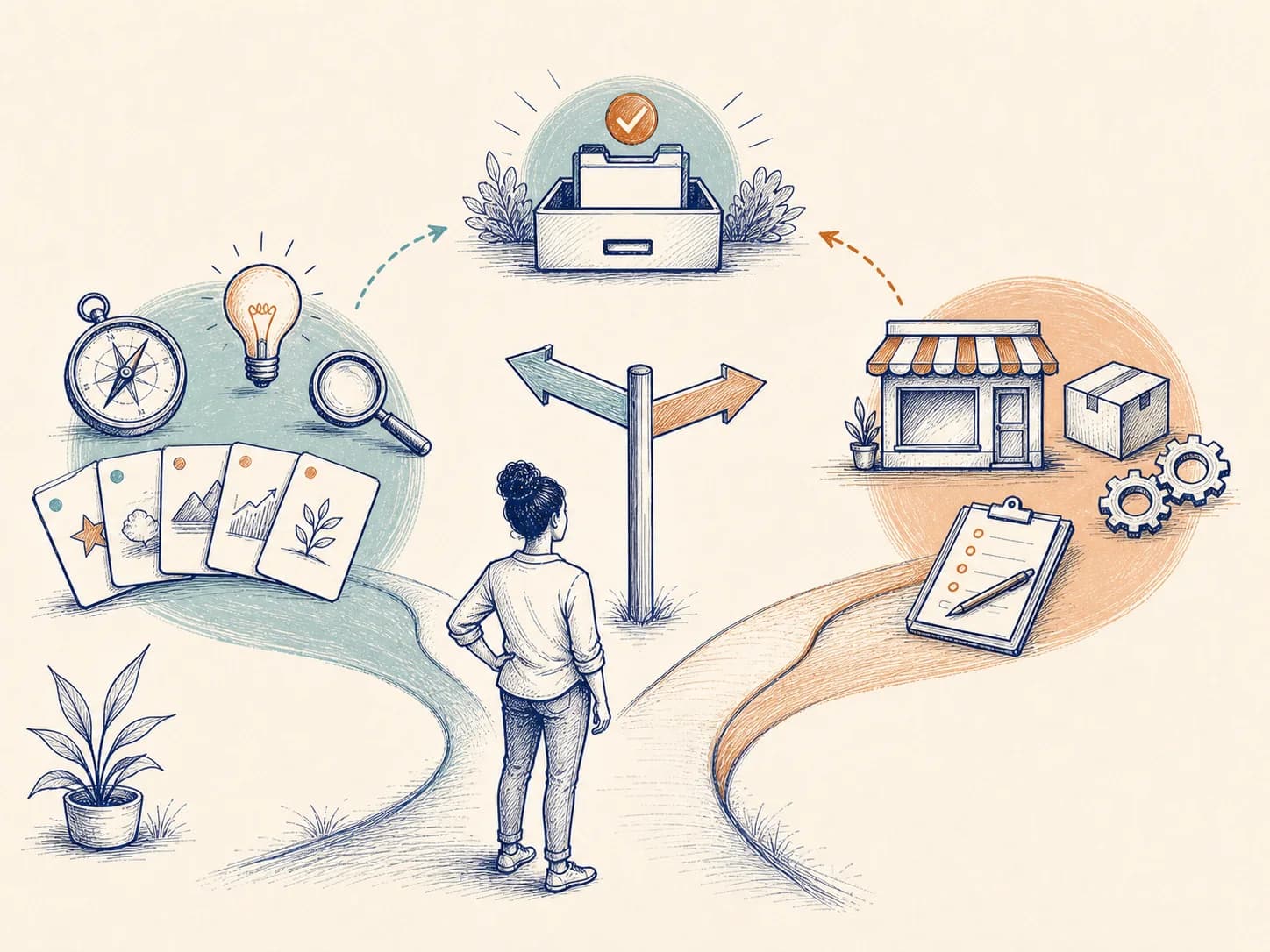
A defined business and an entrepreneur still searching for the right opportunity should not be forced through the same process.

Whiteboard illustration of a business journey branching into a defined venture path and an entrepreneur discovery path before reconnecting
  1. Routing decision

    Choose the appropriate route

    Prospects with a defined idea or operating business may continue toward the Business Development application. Prospects without a workable idea are routed into Entrepreneur Discovery.

    What happens next: Each route gathers different information, but both are designed to lead toward a practical, evidence-based next step.

  2. Discovery route

    Complete Entrepreneur Discovery when needed

    The guided Discovery process explores your interests, experience, resources, constraints, working preferences, and possible business directions without pretending every idea is viable.

    What happens next: When a sufficiently defined opportunity emerges, you can move into the Business Development application with better clarity.

  3. PAV invitation

    Receive an invitation to the full application

    Qualified prospects receive secure access to the AI-guided Business Development application, including save-and-return access and any applicable completion deadline.

    What happens next: Use the private invitation to begin the deeper founder, market, business, and execution questionnaire.

Phase 03

Build the evidence and reach a decision

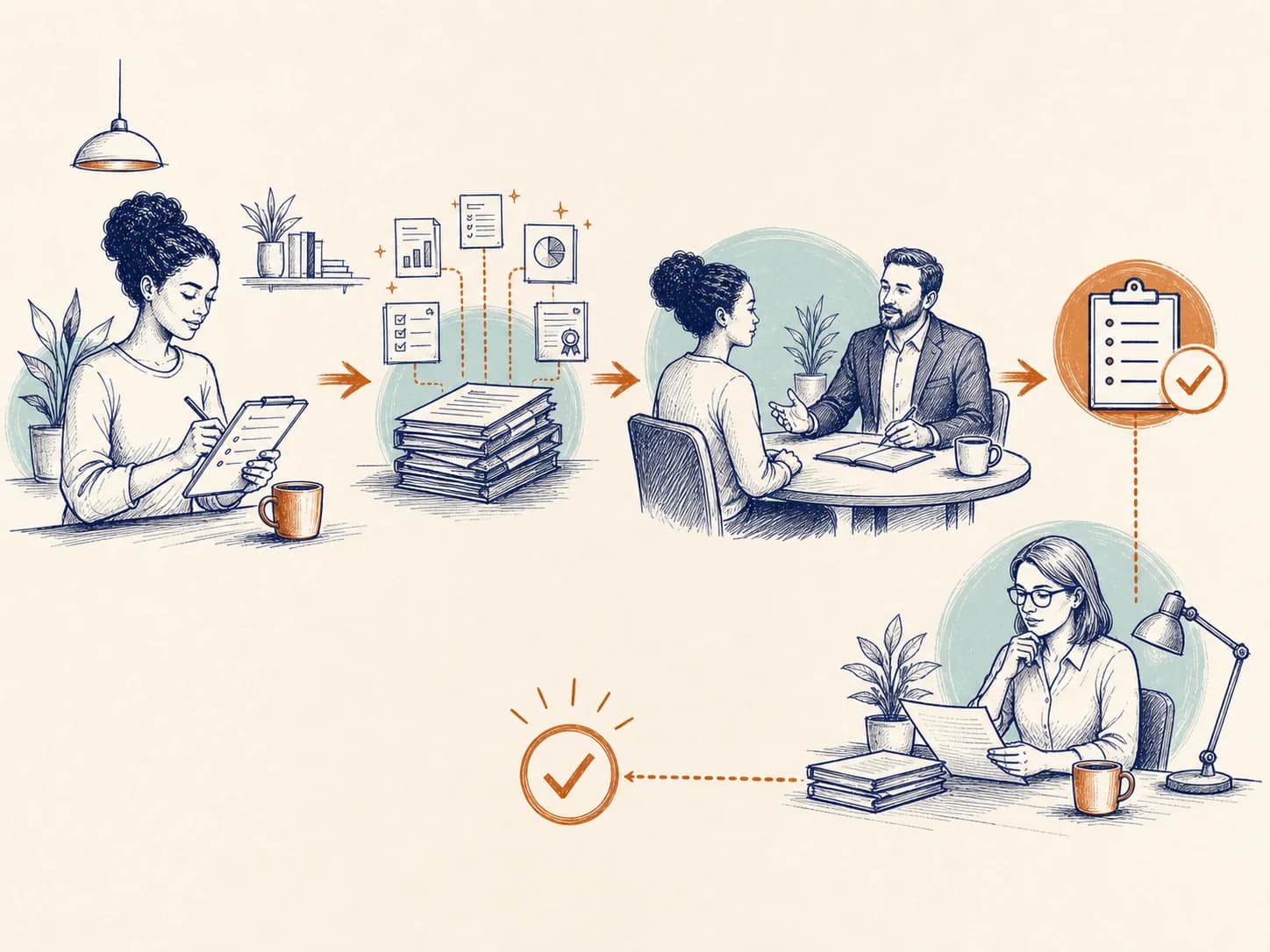
Acceptance is based on the complete picture: your questionnaire, supporting evidence, conversation, follow-through, and PAV's ability to help.

Whiteboard illustration of an application, supporting documents, interview, verification checks, and a human decision
  1. Your move

    Complete the AI-guided questionnaire

    Work through questions about the founder, customer, offer, market, economics, operations, technology, risks, goals, and ability to execute.

    What happens next: AI may help ask relevant follow-up questions and organize your answers, but it does not make the acceptance decision.

  2. Your move

    Add supporting documents

    When relevant, provide materials such as a business plan, financial information, research, branding, website details, operating documents, or other evidence that supports your answers.

    What happens next: PAV reviews the questionnaire and evidence together rather than relying on claims without context.

  3. Working conversation

    Complete the structured interview

    PAV discusses the opportunity, expectations, decision-making, working relationship, unresolved risks, and the areas where support could create the most value.

    What happens next: The interview gives both sides a chance to test communication, candor, coachability, and practical fit.

  4. When required

    Complete verification or a practical follow-up

    Some applicants may be asked to clarify evidence, verify important information, or complete a short action assignment. Not every applicant needs this step.

    What happens next: PAV uses the completed record to resolve remaining questions before making a decision.

  5. Human decision

    Receive the final fit decision

    PAV considers readiness, opportunity, risk, workload, capacity, and whether a productive long-term relationship is realistic. A person makes every final acceptance decision.

    What happens next: Accepted applicants receive a proposed engagement. Others may receive a different recommendation, a later-stage invitation, or a respectful decline.

Phase 04

Formalize the relationship and set the first plan

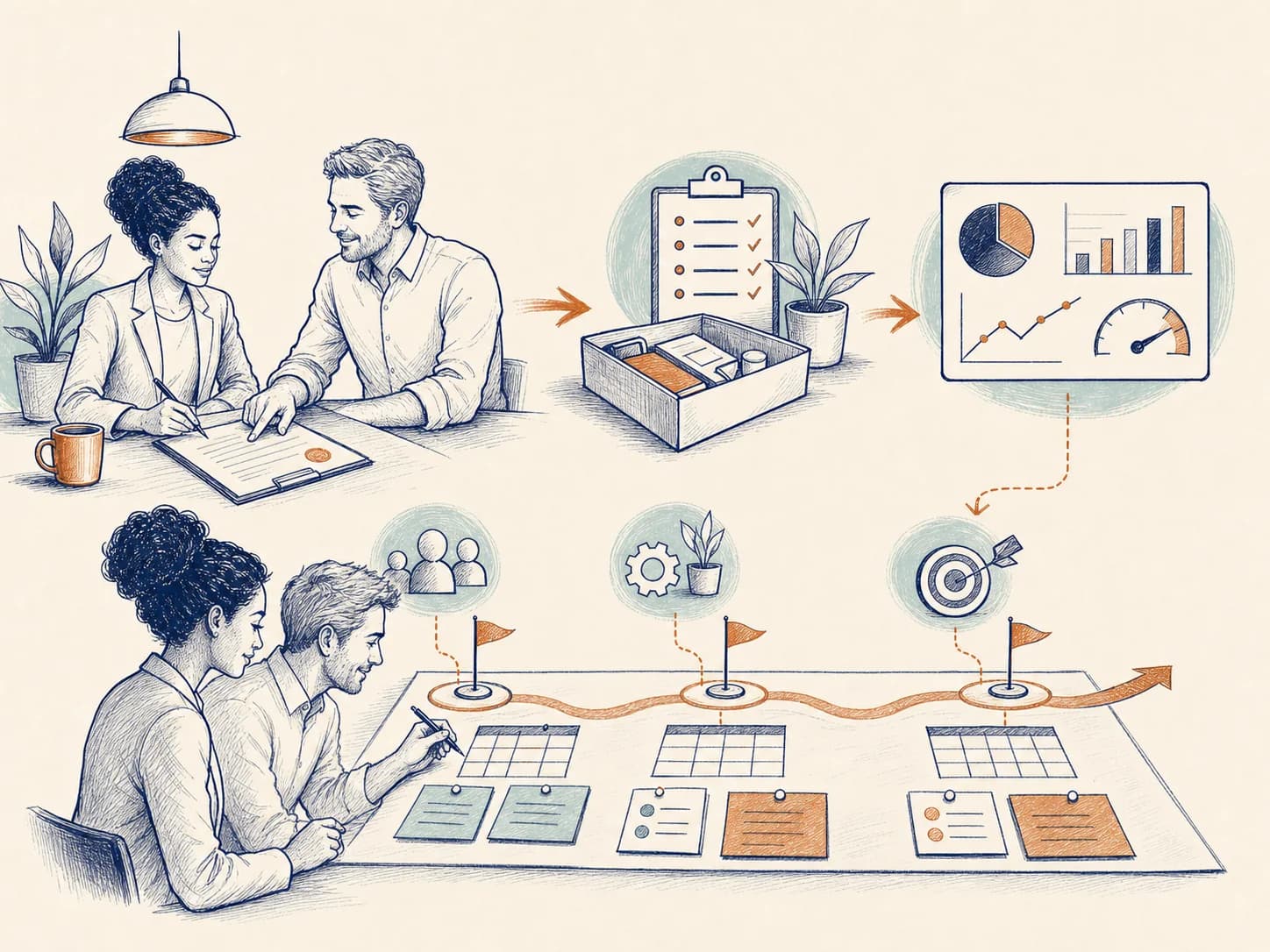
Acceptance is the beginning of the working relationship, not the end of the process.

Whiteboard illustration of an agreement, onboarding checklist, baseline scorecard, and a ninety-day roadmap
  1. Shared decision

    Review contracting and engagement terms

    PAV presents the proposed scope, responsibilities, communication cadence, performance-aligned pricing, service costs, third-party expenses, and written terms.

    What happens next: No paid engagement begins until both sides understand and accept the written agreement.

  2. Working setup

    Complete onboarding and establish the baseline

    The client and PAV organize access, existing documents, systems, contacts, key numbers, immediate constraints, and the starting condition of the business.

    What happens next: A shared baseline makes it possible to prioritize intelligently and measure meaningful progress.

  3. Joint planning

    Build the first 90-day action plan

    PAV converts the assessment and baseline into a practical sequence of priorities, owners, milestones, dependencies, and measures for the first working cycle.

    What happens next: The first plan identifies what should be built now, what should wait, and what evidence will guide the next decision.

Phase 05

Build, review, and keep moving forward

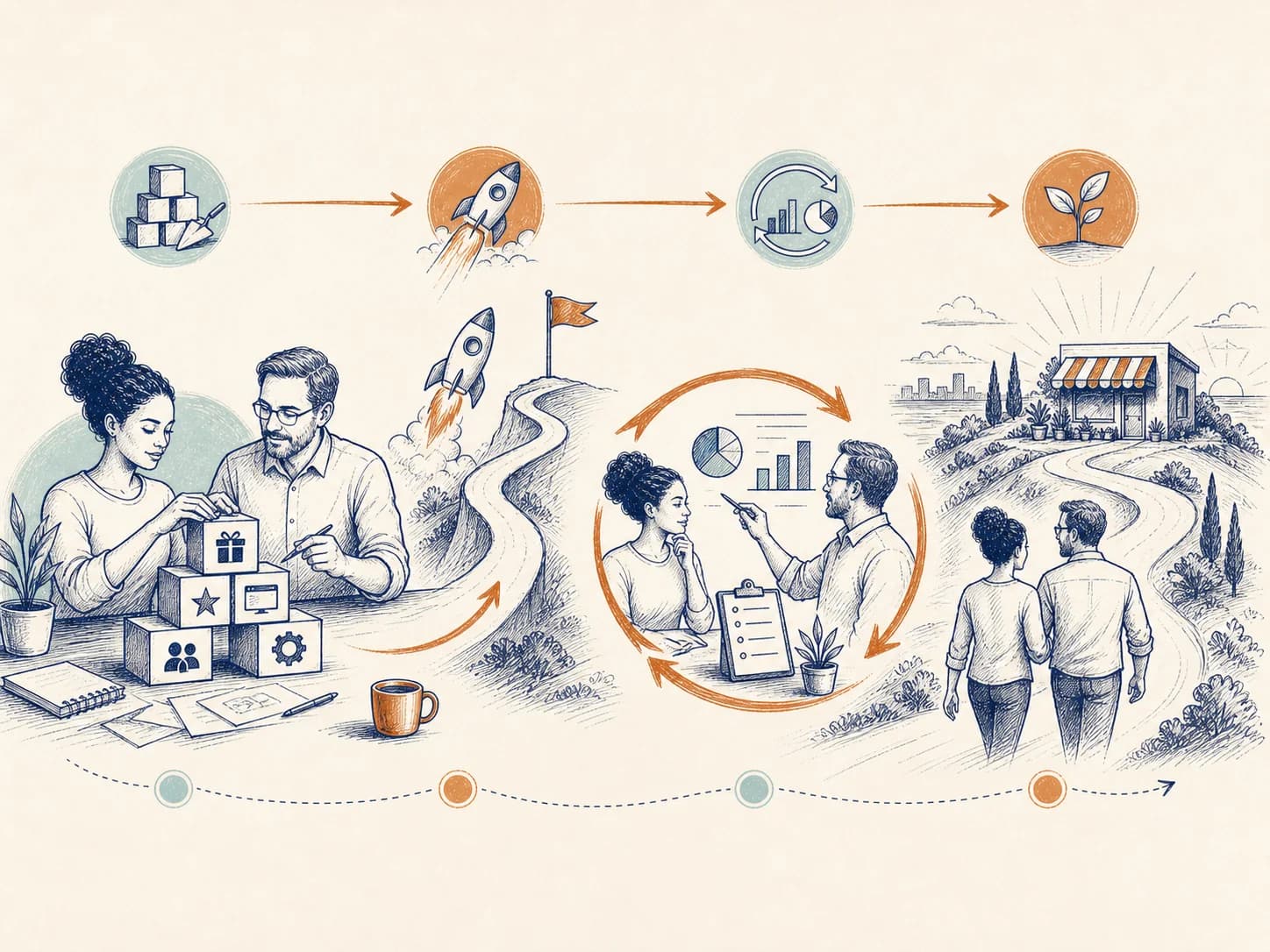
The program is designed to continue beyond a document or launch through execution, accountability, and an evolving business roadmap.

Whiteboard illustration of a business foundation, launch, recurring review cycle, and an upward long-term growth path
  1. Coordinated work

    Build the business foundation

    Depending on the business, the work may include the formal business plan, offer and pricing, positioning, brand, website, CRM, intake, automation, operating systems, and performance scorecard.

    What happens next: The work is sequenced around the highest-value dependencies instead of treating every service as a disconnected project.

  2. Implementation

    Execute launch and growth priorities

    PAV and the client move the approved priorities into action, test assumptions with real customers, address obstacles, and adjust execution as evidence develops.

    What happens next: Progress, lessons, and unresolved issues feed the next review rather than disappearing after launch.

  3. Recurring cycle

    Review results and refresh the roadmap

    At regular checkpoints, PAV and the client review the scorecard, completed work, customer response, financial signals, bottlenecks, and the next 90-day priorities.

    What happens next: Each cycle produces an updated plan that reflects the business as it actually exists now.

  4. Ongoing

    Continue the long-term partnership

    The relationship can continue through strategy, accountability, technical guidance, future systems, specialist coordination, and access to the developing PAV network.

    What happens next: There is no artificial final step: the roadmap keeps evolving as the business, owner, market, and opportunity change.

Free applicant benefit

Complete the initial application. Receive a free Business Readiness Assessment.

After PAV reviews the completed initial application stage, every applicant receives an applicant-facing assessment of current strengths, potential risks, business readiness, unresolved questions, and recommended next steps.

The assessment is provided whether or not PAV offers an engagement.

Selection works both ways

PAV evaluates the entrepreneur and the opportunity while also deciding whether PAV has the capability, capacity, and fit to create meaningful value.

Not every applicant will be accepted, and not every applicant will move through every stage.

No premature commitment

The initial interest form is not the full application. Completing either form creates no contract, and no paid engagement begins until both sides accept written terms.

AI may assist with organizing evidence and preparing questions. A person makes every final decision.

Start with the first step

Tell PAV where you are today.

Submitting an initial interest form creates no contract or payment obligation and does not guarantee contact, acceptance, funding, partnership, employment, ownership, engagement, or business success.

Apply for Initial Review